Finding a trail of ants across the kitchen bench is frustrating, especially when they return shortly after you clean the area or apply a household spray.
The ants you can see are usually worker ants searching for food and water. Removing these ants may provide temporary relief, but the colony and queen can remain hidden inside a wall, beneath paving, in the garden or somewhere else around the property.
If you want to get rid of ants properly, you need to work out where they are entering, what is attracting them and where the colony may be located.
Why Do Ants Keep Coming Inside?
Ants commonly enter homes while searching for food, water and shelter. Even small amounts of food residue or moisture can be enough to attract them.
Common attractants include:
- Crumbs and food spills
- Open pantry products
- Pet food and water bowls
- Rubbish bins
- Grease around cooking areas
- Leaking taps or pipes
- Moisture around sinks and bathrooms
- Gaps around windows, doors and plumbing
Once worker ants find a reliable source of food or water, they create a trail that other ants can follow. This is why a few ants can quickly become a steady line across a bench, floor or wall.
How to Get Rid of Ants in the House
Start by observing where the ants are travelling before wiping away the trail.
Look for the point where they are entering the room. This may be a small gap around a window, beneath a skirting board, behind a cupboard or around a plumbing connection.
You can then take the following steps.
Remove Food Sources
Clean benches, floors and cupboards to remove crumbs, spills and grease.
Store pantry products in sealed containers and avoid leaving dirty dishes or pet food out overnight. Empty rubbish bins regularly and clean beneath appliances where food residue can collect.
Reduce Moisture
Repair dripping taps, leaking pipes and areas where water collects.
Wipe moisture from benches and sinks, particularly overnight when many ants are active. Check bathrooms, laundries and kitchens for damp areas that may provide a regular water source.
Clean Ant Trails
Clean visible ant trails with warm soapy water. This helps remove the scent trail worker ants use to guide other ants to food and water.
Before cleaning, take note of where the ants are entering so you can inspect and seal that area later.
Seal Entry Points
Seal gaps around windows, doors, cupboards, pipes and wall openings where practical.
This may reduce the number of ants entering the home, but sealing one point may not solve the problem if the colony has several access routes.
How to Get Rid of Ants in the Kitchen
Kitchens provide ants with easy access to food, moisture and sheltered areas.
Pay particular attention to:
- The space beneath and behind the refrigerator
- Cupboard corners and hinges
- The area around the dishwasher
- Gaps beneath the kitchen sink
- Pantry shelves
- Pet feeding areas
- Cracks between benches and walls
Clean these areas thoroughly and move open food into sealed containers.
If ants continue to appear after the kitchen has been cleaned, the colony may be located nearby or inside the building.
Why Ant Spray May Not Solve the Problem
Household spray may kill the worker ants you can see, but it may not reach the nest or queen.
In some cases, spraying the visible trail can cause ants to change direction and appear somewhere else in the property. This can make it more difficult to identify where they are coming from.
Different ant species also respond to different treatment methods. A product that works for one type of ant may have little effect on another.
Professional ant pest control on the Gold Coast begins with identifying the ant activity and selecting a treatment suited to the species, property and location of the colony.
How to Get Rid of an Ant Colony
Removing an ant colony usually requires more than treating the ants visible inside the home.
Depending on the species and location, professional treatment may use targeted baits or other pest management products. Worker ants interact with the treatment and carry it back toward the colony.
The best approach depends on:
- The ant species
- The size of the infestation
- Whether the colony is indoors or outside
- Access to the nesting area
- The presence of children or pets
- Conditions around the property
Avoid applying several different household products at the same time. Some products may interfere with baiting or cause the ants to move to another area.
How to Stop Ants Coming Back
Once the current activity has been treated, ongoing prevention can make the property less attractive to ants.
You can reduce the chance of ants returning by:
- Keeping food in sealed containers
- Cleaning spills and crumbs promptly
- Emptying bins regularly
- Fixing leaking taps and pipes
- Removing standing water
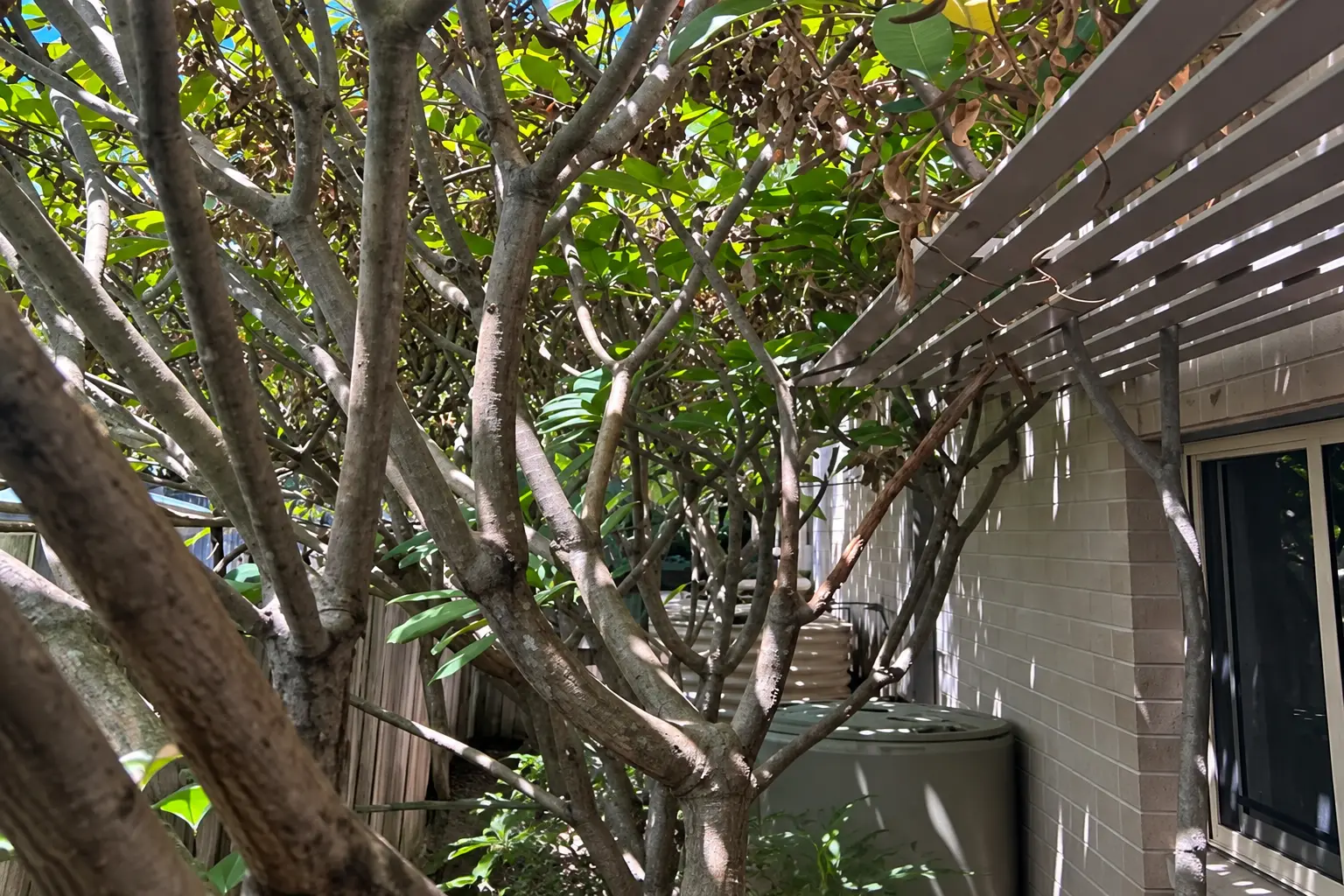
- Trimming plants away from the building
- Sealing gaps around doors, windows and pipes
- Keeping pet feeding areas clean
- Checking potted plants for ant activity
- Scheduling regular pest control when activity is recurring
Ants can be persistent, particularly during warm or wet weather, so early action can help prevent a small problem from becoming a larger infestation.
Are They Common Ants or Fire Ants?
Fire ants require a different response from common household ants.
They are an invasive pest and suspected fire ants or nests should be reported to the National Fire Ant Eradication Program. Avoid disturbing a suspected nest.
If you are concerned about fire ants, visit the Quest 4 Pest Fire Ant Control page or report the sighting through the National Fire Ant Eradication Program.
When Should You Call Pest Control for Ants?
Consider professional ant treatment when:
- Ants keep returning after cleaning
- Activity is spreading through several rooms
- You cannot locate the entry point or nest
- Ants are nesting inside walls or cupboards
- Household sprays are not working
- The infestation is affecting a rental property or business
- You are unsure which ant species is present
- You suspect fire ants
Identifying the species and source of the activity can help avoid repeated short term treatments that only address the ants you can see.
Need Help Getting Rid of Ants?
If ants keep returning to your home, rental property or business, Quest 4 Pest can assess the activity and recommend a suitable treatment.
Our team provides professional pest control across the Gold Coast, Logan, Brisbane and surrounding areas.
Call Quest 4 Pest on 1300 783 784 to discuss your ant problem or contact Quest 4 Pest online to request a booking.
Stop treating the same ant trail. Let’s find out where they are coming from.
The fire ant reporting guidance was checked against the National Fire Ant Eradication Program, which currently advises reporting suspected ants or nests online or by calling 132 ANT.